Trichy's Rockfort Teppakulam Gets Its First Desilting in 30 Years: What It Means for the City and Its Heritage
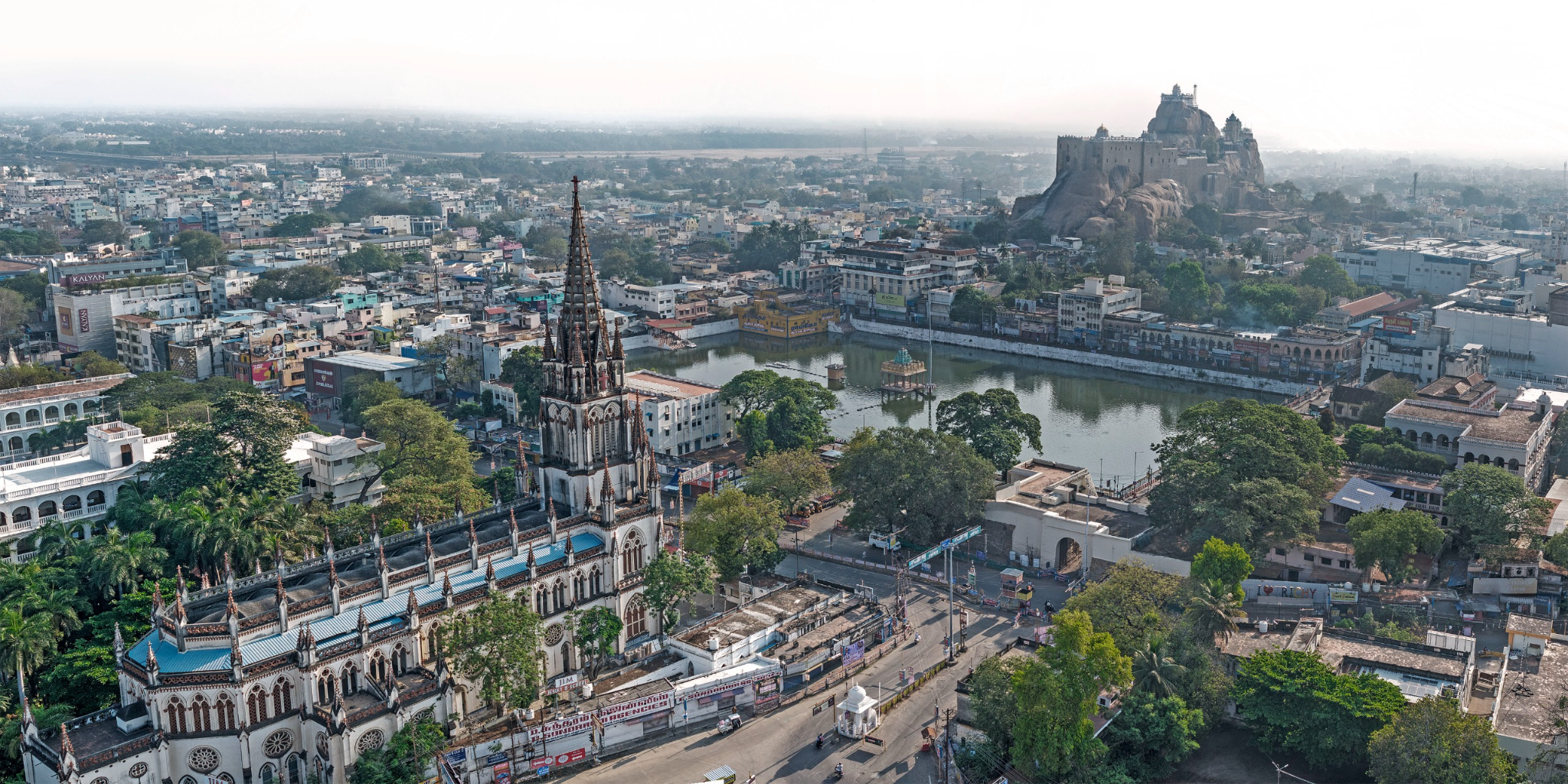
There are moments in administration that feel less like routine work and more like a debt being repaid.
The desilting of the Rockfort Teppakulam, the ancient temple tank at the foot of the Thayumanavar Temple in Tiruchirappalli, is one of those moments.
This tank had not seen a desilting operation in thirty years. Thirty years of accumulated silt, debris, and neglect slowly reducing one of Trichy's most historically significant water bodies to a fraction of its capacity. On 15th May 2026, that changed. The Tiruchirappalli City Corporation formally inaugurated the desilting work — and with it, the beginning of what we hope will be a lasting restoration of this irreplaceable heritage site.
This post is an attempt to explain what happened, why it matters, and what comes next.
A Tank That Has Stood for Centuries
Before talking about the present, it is worth spending a moment with the past, because Teppakulam's history is inseparable from the story of Trichy itself.
The Teppakulam at the foot of the Rockfort is not simply a decorative water body. It is a living piece of the city's identity. Situated near the heart of Tiruchirappalli, it sits at the base of a rock formation that geologists estimate to be approximately 3,800 million years old — one of the oldest exposed rock formations on earth, older than the Himalayas by an almost incomprehensible margin.
The Thayumanavar Temple, which the tank serves, was built during the Pallava period and holds a place in the sacred Saivite canon. Its presiding deity, Thayumanavar (meaning "the one who became a mother"), was venerated by the 7th-century saint poets Sambandar and Appar in the Tevaram. The temple is classified as a Paadal Petra Sthalam, one of the 276 Shiva temples mentioned in the Saiva canon.
The Teppakulam itself is the setting for the annual Theppa Thiruvizha — the float festival celebrated since 1546 — during which the deities of the Thayumanavar Temple are taken out in a beautifully decorated float that makes five rounds of the tank's central mandapam. Thousands of devotees gather. Thirumurai verses are recited. For the people of Trichy, this is not an event on a calendar. It is a thread connecting them to centuries of unbroken continuity.
A tank this important to so many people deserved better than three decades of accumulated neglect. The question was always: when would that change?
What We Found: The Condition Before Work Began
When the Corporation examined the Teppakulam ahead of initiating restoration, what we found was consistent with what decades of inadequate maintenance produces.
Silt accumulation had significantly reduced the tank's water storage capacity. The area around the tank had become a makeshift vending zone, with encroachments eating into the space that should rightfully belong to the water body and its surroundings. Water quality had deteriorated. The tank's ecological and spiritual function had both been compromised by the same slow, grinding inattention.
As a first step toward restoration, the Corporation declared the Teppakulam a no-vending zone, as reported by The Times of India — clearing the encroachments that had made meaningful maintenance impossible for years.
Clearing encroachments and declaring the tank a no-vending zone was a necessary precondition for restoration. Conservation work cannot happen around active encroachments, and the tank cannot recover if the pressures that degraded it in the first place remain in place.
15th May 2026: The Day Work Began
On 15th May 2026, the Corporation formally inaugurated the desilting operation at the Rockfort Teppakulam.
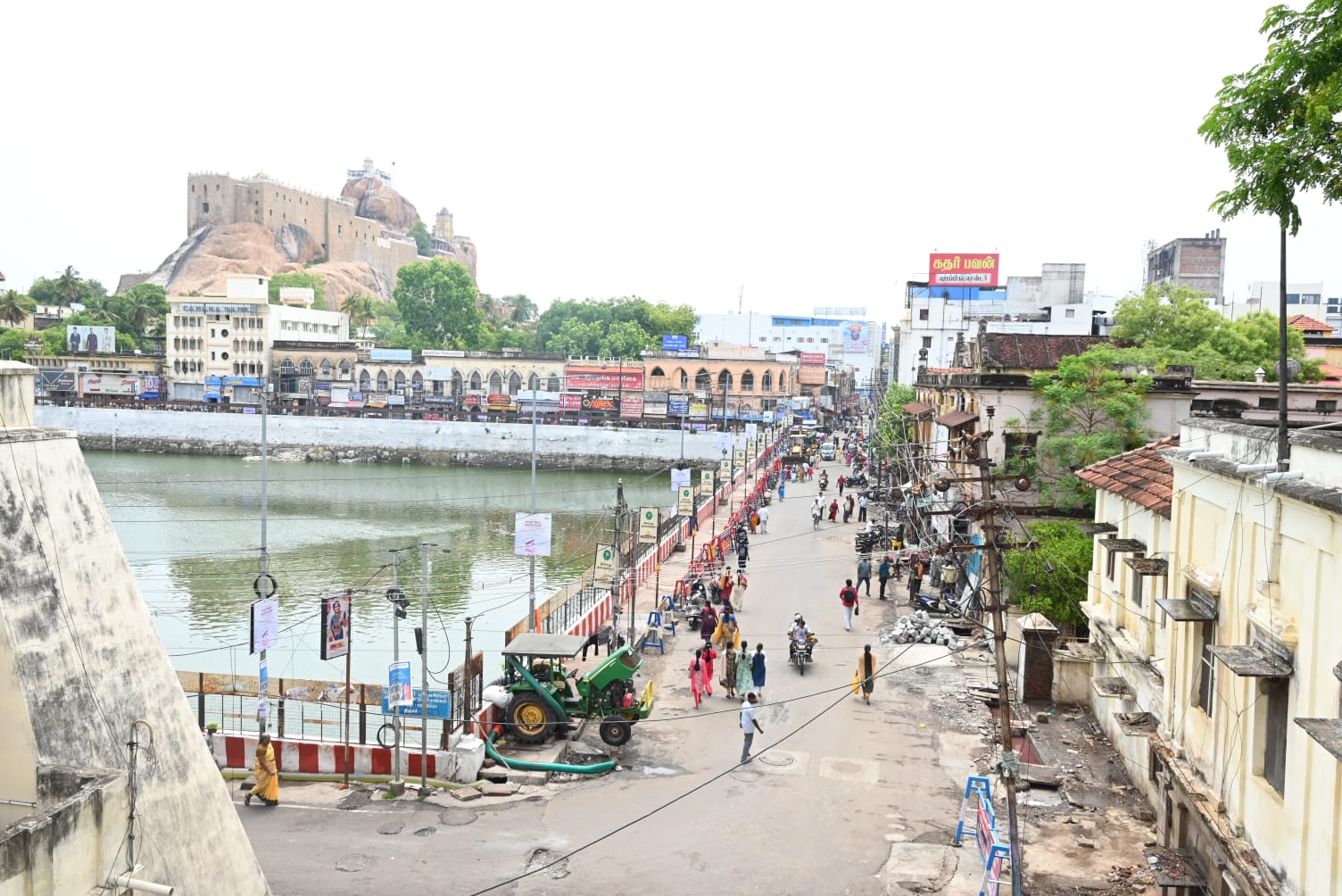
This was not a symbolic gesture. Heavy machinery moved into position. The actual work of removing decades of accumulated silt began. A project that had waited thirty years finally had a start date and a team committed to seeing it through.
Trichy Xpress reported on the inauguration, noting that this desilting work was being undertaken after thirty years — a milestone that residents and devotees of the Thayumanavar Temple had long waited for.
eTamil News covered the beginning of the dredging work, reporting on what this project means for the Malaikottai area and the city's broader heritage landscape.
Indian Express Tamil reported on the renovation works underway at the Rockfort Teppakulam, covering the significance of the project within the context of Trichy's urban heritage.
The Times of India covered the formal commencement of desilting, with the headline confirming what the people of Trichy already knew: this was the first desilting operation at the Teppakulam in thirty years.
The IE Tamil post on X further amplified the news, reaching audiences across Tamil Nadu who follow the city's heritage and civic developments.
Why This Matters Beyond the Headlines
A thirty-year gap in desilting is not just a maintenance failure. It is a story about how urban heritage gets deprioritised when cities grow faster than their institutional capacity to care for what they already have.
Trichy has expanded enormously over the past three decades. New infrastructure, new residential zones, new commercial development. All of it necessary. But in the rush of growth, the maintenance of what already existed — the tanks, the water bodies, the heritage sites at the city's core — did not always keep pace.
The Teppakulam sat at the centre of this tension. It is a protected monument. It is a sacred site. It is a working water body that holds over two million gallons of Kaveri water. And yet thirty years passed without the basic maintenance it needed.
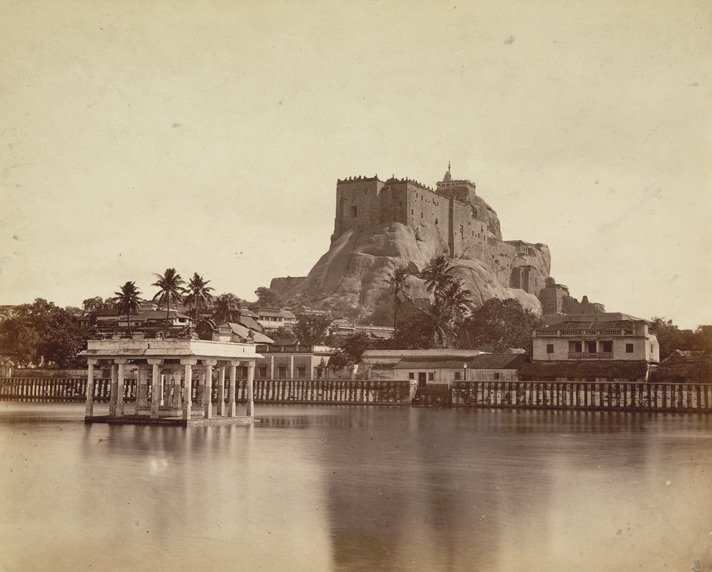
Restoring it now is not about credit. It is about recognising that a city's character is expressed in how it treats the things it has inherited, not just in what it builds new.
What the Restoration Involves
The desilting operation is the most visible element of the restoration, but it is not the only one.
- Desilting and dredging: Removal of accumulated silt directly restores the tank's water storage capacity. Every cubic metre removed returns volume that was lost over decades.
- No-vending zone enforcement: The declaration of the Teppakulam area as a no-vending zone removes the encroachment pressure that has steadily reduced the tank's functional space and made proper maintenance difficult.
- Water quality monitoring: As desilting progresses, water quality will be tracked to ensure the tank returns to a condition suitable for the float festival and for the ecological functions the tank serves.
- Heritage-sensitive approach: The Teppakulam is not just infrastructure. Every aspect of the restoration has been conducted with awareness of the site's heritage significance, its active religious function, and the float festival that depends on the tank's condition.
- Long-term maintenance planning: The goal is not to restore the tank once and let thirty more years pass. A sustainable maintenance schedule is being built into the Corporation's planning so that this work does not need to be done again after another generation of neglect.
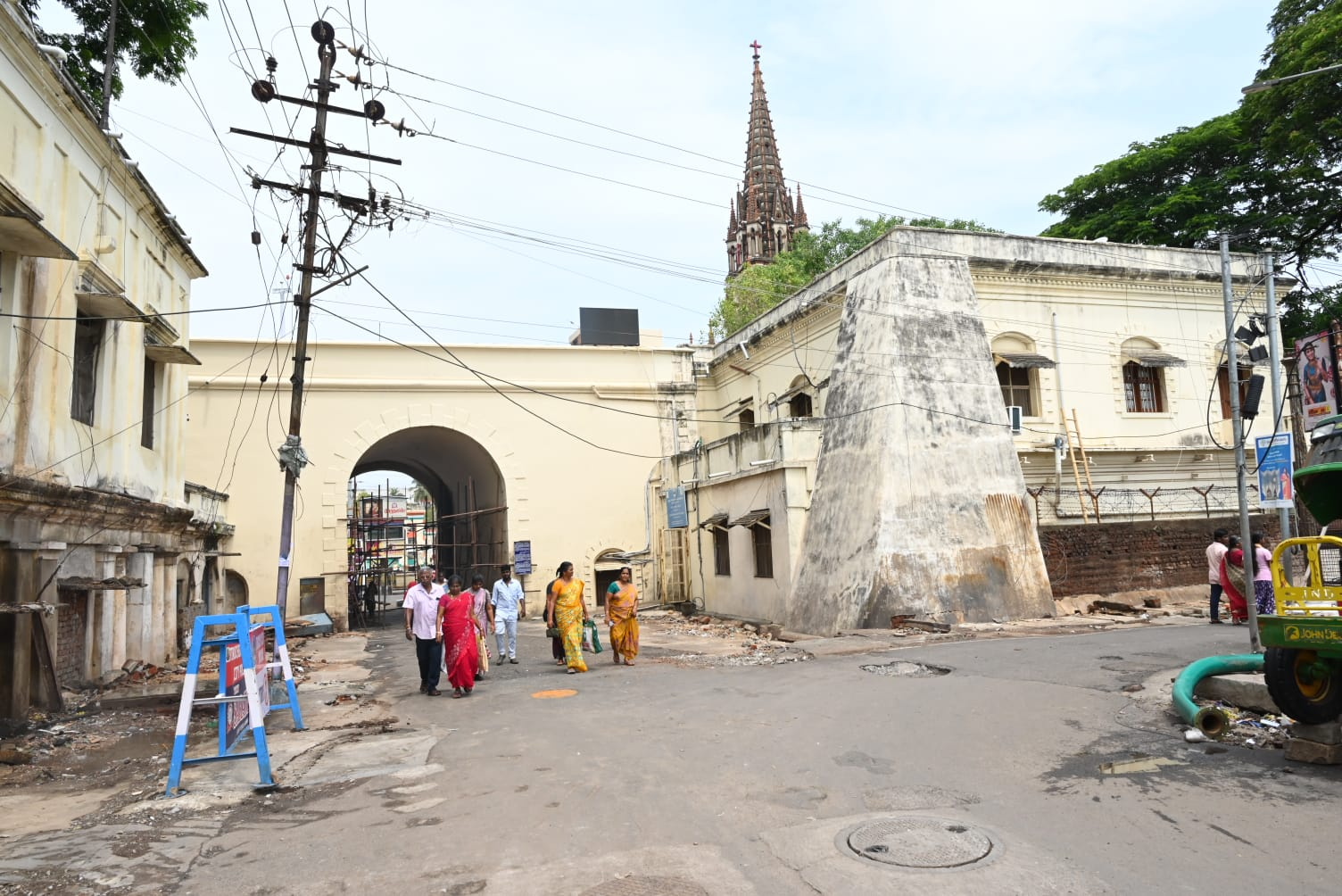
What This Means for the Float Festival
The Theppa Thiruvizha — the float festival of the Thayumanavar Temple — has been celebrated continuously since 1546. For nearly five centuries, devotees have gathered at this tank to watch the decorated float carry the deities of Thayumanavar and Mattuvar Kuzhalammai in procession across the water.
For this festival to be celebrated with the fullness it deserves, the tank needs to be in adequate condition. It needs sufficient depth for the float. It needs reasonable water quality. It needs to look like a sacred tank at the foot of one of South India's most historically significant temple complexes — not like a neglected urban water body.
The desilting work is a direct contribution to the future of this festival. It is, in this sense, a contribution to five centuries of unbroken tradition.
A Note on What Administration Can and Cannot Do
I want to be honest about something that often gets lost in coverage of projects like this.
The thirty-year gap before this desilting operation is not the story of one administration's failure. It is the accumulated result of resource constraints, competing priorities, and the difficulty of maintaining heritage infrastructure in a fast-growing city. These are structural realities that no single official can solve alone.
What changed now is not that one person decided to care. What changed is that a combination of factors — available funding, institutional coordination, community pressure, and political will — aligned at the same time. Restoration of heritage water bodies in Indian cities almost always happens this way: when multiple pieces come together rather than when any single actor decides to act.
The community of Trichy has cared about this tank for a long time. The trust management of the Thayumanavar Temple has been a part of it. Civic groups have raised the issue repeatedly. The restoration that is now underway belongs to all of them as much as to the Corporation.
What Comes Next
The desilting work has begun. The no-vending zone has been declared and is being enforced. Monitoring is in place.
The next stages involve completing the full desilting operation, assessing and — if necessary — repairing the tank's structural elements, and establishing the maintenance framework that ensures this does not become a thirty-year story again.
Updates will be shared on this blog as work progresses.
If you are in Trichy, you are welcome to visit Teppakulam and see the work underway. This is your city's heritage. It is being restored for you.
For more on water conservation and urban heritage restoration in Tamil Nadu, follow this blog.
Press Coverage
- The Times of India — Desilting of Rockfort Teppakulam Begins After 30 Years
- The Times of India — Trichy Teppakulam Declared as No-Vending Zone
- Trichy Xpress — Commissioner Madhubalan Inaugurates Desilting at Thayumanavar Temple Tank
- Indian Express Tamil — Trichy Rockfort Teppakulam Renovation Works
- eTamil News — Dredging Work of Trichy Malaikottai Theppakulam Has Begun
- IE Tamil on X — Coverage of the inauguration